Swiss Real Estate 2026: Stability, Scarcity, and the Rise of Urban Centers
With vacancy rates below 1% and steady price growth of 2-4%, 2026 offers stability for investors—especially in Zurich and low-tax hubs.
Posted by

Related reading
5% Over CHF 5 Million: National Inheritance Tax Reloaded
5% Over CHF 5 Million: National Inheritance Tax Reloaded
The 10 Million Limit: UBS Analyzes the Real Estate Impact
The 10 Million Limit: UBS Analyzes the Real Estate Impact
Swiss Housing Scarcity: The 10-Year Record Low in Homes on the Market
Swiss Housing Scarcity: The 10-Year Record Low in Homes on the Market

The Swiss real estate landscape of 2026 is defined by a significant regional divergence. According to the latest Wüest Partner Immo-Monitoring and the UBS Real Estate Outlook, the national market remains extremely stable, yet the delta between high-momentum urban centers and peripheral regions continues to widen.
The Urban vs. Peripheral Divide: 2026 Benchmark
While the Swiss average for transaction prices of owner-occupied housing is projected to rise by 2.8% in 2026, the economic hubs are operating at a different velocity.
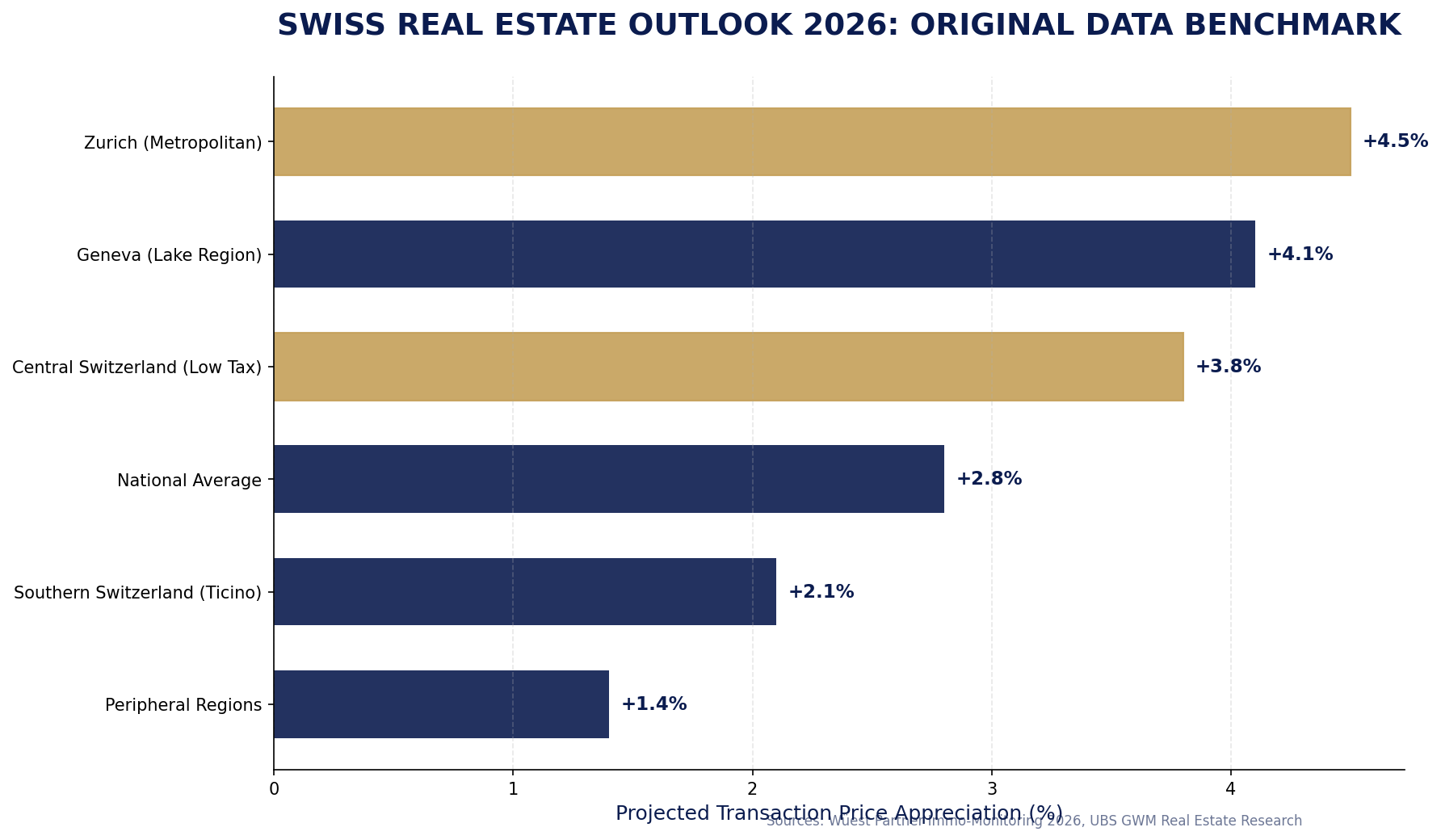
Fig 1: Projected Transaction Price Appreciation (2026). Data benchmarked from Wüest Partner Immo-Monitoring 2026 and UBS GWM Investment Research.
Key Drivers from Original Sources
1. Supply Shortfall (The Wüest Partner Thesis): Wüest Partner highlights a persistent lack of new construction, particularly in the Metropolitan regions of Zurich and Geneva. This structural shortage creates a "floor" for prices, ensuring that even under cooling conditions, prime assets remain high-performance vehicles.
2. Quality Migration (The UBS Perspective): UBS research indicates that despite slightly higher mortgage rates compared to the 2021 era, the demand for owner-occupied housing in cities remains robust. The influx of high-income households (Quality Migration) clusters in regions with high tax efficiency and accessibility.
3. Regional Momentum:
- Zurich Metropolitan (+4.5%): Remains the primary engine of the Swiss market.
- Central Switzerland (+3.8%): Low-tax cantons like Zug and Schwyz continue to benefit from decoupling, with demand far outstripping the limited available inventory.
- Peripheral Growth (+1.4%): While positive, these regions are exposed to demographic stagnation, making city-proximity the defining factor for capital appreciation.
Strategic Conclusion for 2026
The consensus from the leading data sources is clear: the "Safe Haven" status of Swiss property is now a regional story. Discerning investors must look beyond the national average and focus on the hubs where demographic and economic tailwinds are strongest.
At Lowtaxhomes, we curate our portfolio based on these exact data benchmarks to ensure your real estate positioning is backed by institutional research.
---
Secure Your Position in the Low-Tax Market
The demographic momentum of Switzerland is undeniable. Whether you are looking for a strategic primary residence or a high-yield investment, positioning yourself in the right municipality today defines your financial legacy.
Join Lowtaxhomes today to receive exclusive access to premium listings and expert tax insights before the market moves.
👉 Register for Property Alerts
👉 Explore Premium Listings
---
Low-tax cantons
26 listings added in the low-tax cantons this week
Free alerts from 130+ agencies — matched to your budget, location and property type. Only sent when something new appears.
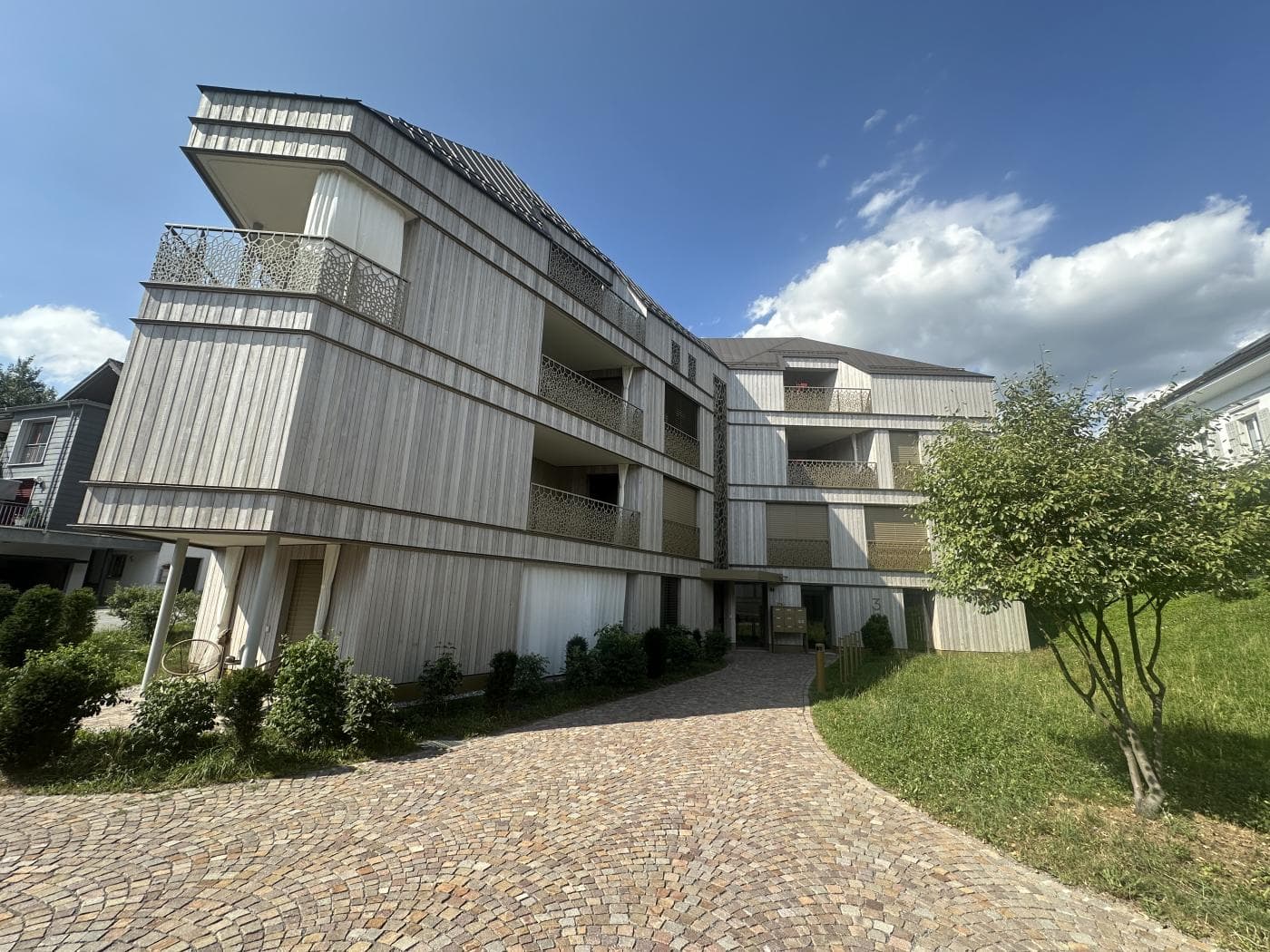
Einzigartige 4.5 Zimmer-Maisonette-Wohnung
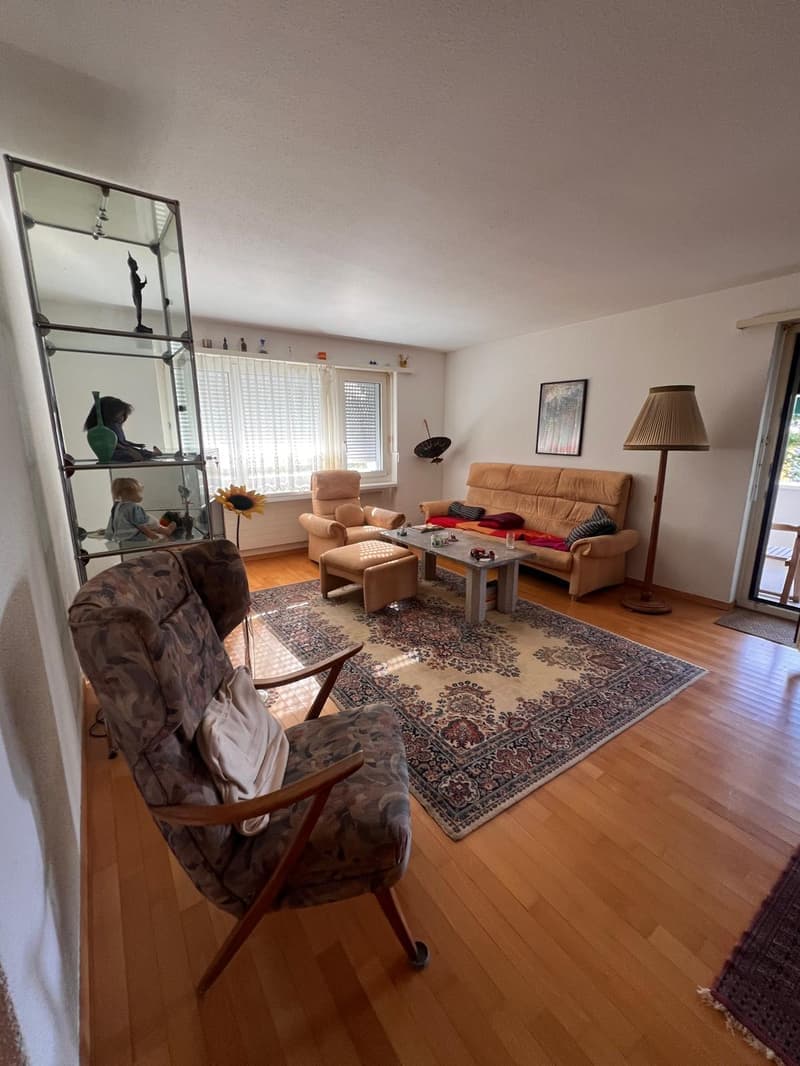
Schöne 3.5-Zimmerwohnung mit Balkon

Traumhafte Attikawohnung mit Berg- & Seesicht
No credit card • No spam • Cancel anytime
