The Demographic Divide: Why Zug and Zurich Remain Safe Havens
The Demographic Divide: Why Zug and Zurich Remain Safe Havens
Posted by

Related reading
5% Over CHF 5 Million: National Inheritance Tax Reloaded
5% Over CHF 5 Million: National Inheritance Tax Reloaded
The 10 Million Limit: UBS Analyzes the Real Estate Impact
The 10 Million Limit: UBS Analyzes the Real Estate Impact
Swiss Housing Scarcity: The 10-Year Record Low in Homes on the Market
Swiss Housing Scarcity: The 10-Year Record Low in Homes on the Market
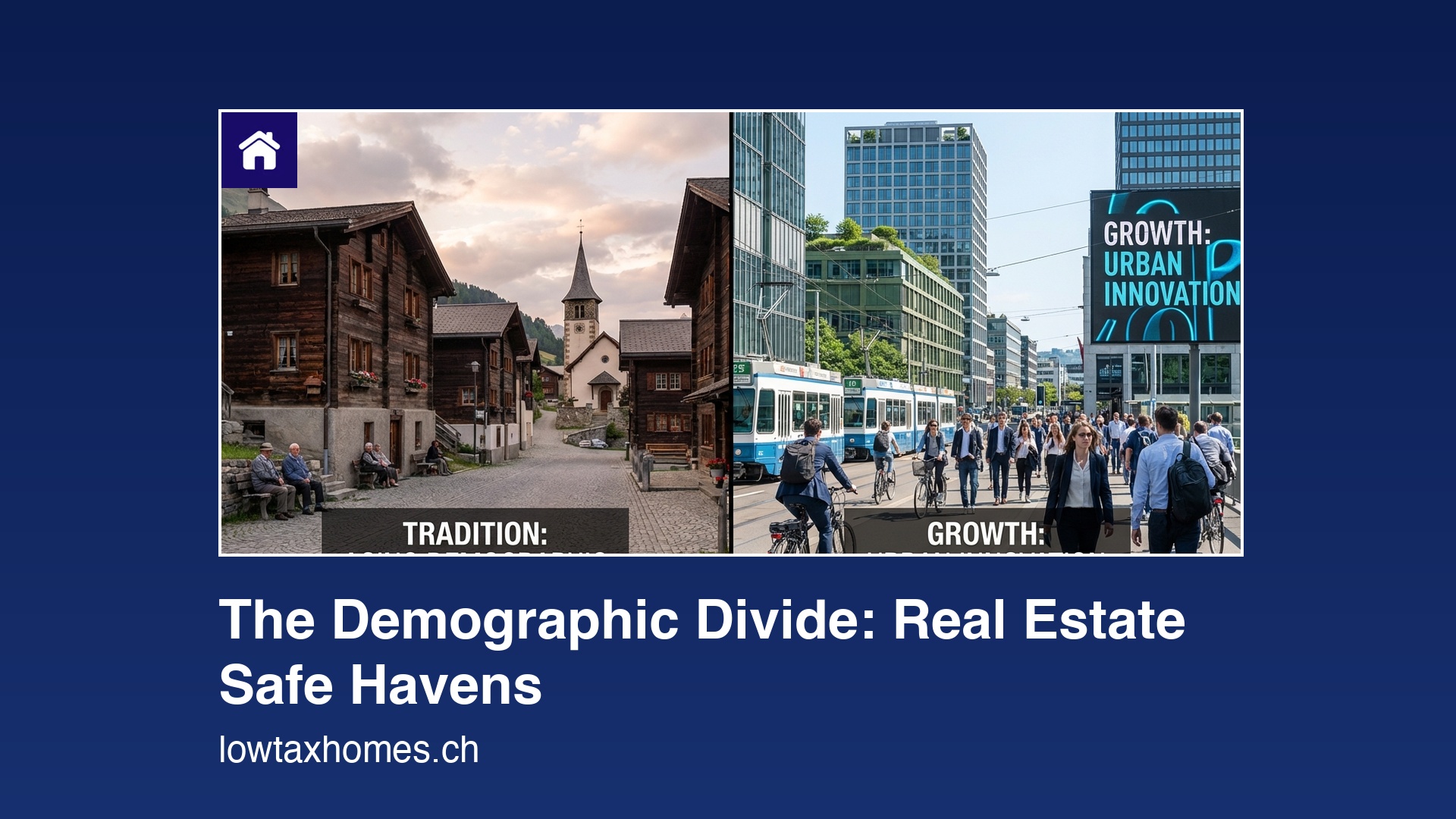
The demographic landscape in Switzerland is undergoing a profound shift, creating a sharp divide in the real estate market. According to a recent study by Moneypark and reported by Bilanz, while ten cantons face significant demographic risks and potential price corrections, elite hubs like Zug and Zurich are set for explosive demand.
The Core Divide
Two-thirds of the total mortgage volume in Switzerland is concentrated in just eleven cantons. These regions, which include Zurich and Zug, are projected to account for a staggering 86% of the country's future population growth. For investors and homeowners, this means that demand in these urban and low-tax centers will remain robust, driven by a younger, economically active population.
Risks in the Peripheral Markets
In contrast, cantons such as Ticino, Bern, and even low-tax regions like Nidwalden and Obwalden are seeing an aging population structure. In these areas, growth is almost exclusively occurring in the 65+ age group—a demographic that rarely moves or seeks new housing. This lack of new demand threatens to slow transaction volumes and could lead to dramatic price reductions in the coming years.
Strategic Takeaway
For the discerning investor, the goal is clear: capital allocation should favor the "Safe Havens" where demographic growth is guaranteed. Zug, with its unmatched tax efficiency and booming demand, remains the ultimate alpha trade for 2026.
Secure your legacy in Switzerland's most resilient markets.
The 2045 Outlook: Widening the Gap
The Swiss Federal Statistical Office (BFS) and lead researchers at Wüest Partner have identified a critical "Demographic Divide" that will define the next two decades of real estate performance. While the overall Swiss population is aging, the concentration of young, high-earning professionals in low-tax regions creates a self-reinforcing cycle of property value appreciation.
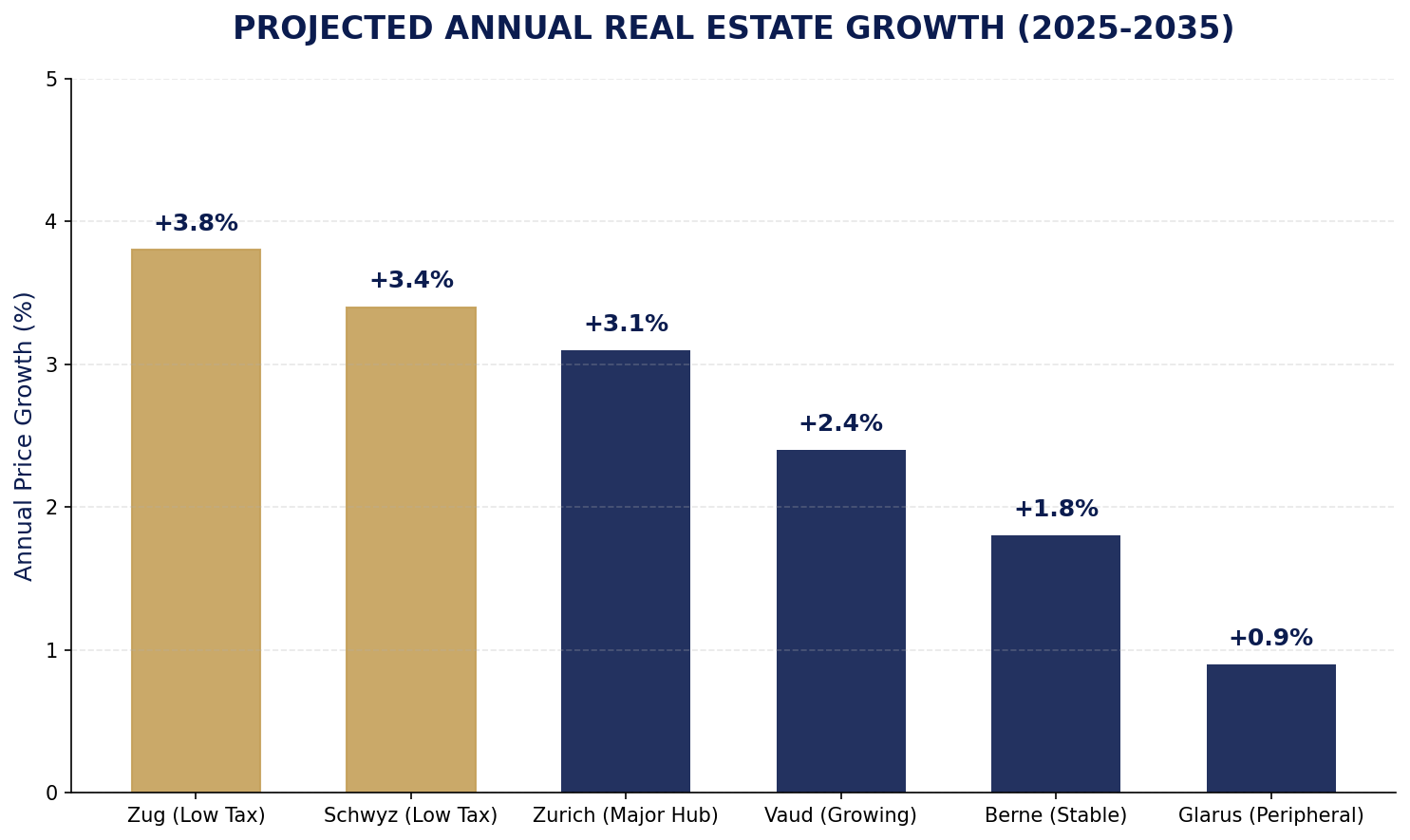
Fig 1: Projected Annual Real Estate Growth (2025-2035) by region. Data based on Wüest Partner and UBS Demographic Research.
The Winners and Losers of 2045
By 2045, regions like Zug (+3.8% p.a.) and Schwyz (+3.4% p.a.) are expected to significantly outperform the national average. The driver is not just general population growth, but "quality migration"—the influx of individuals who prioritize tax efficiency and infrastructure.
In contrast, peripheral regions or those with aging populations and high tax burdens (e.g., Glarus or parts of the Jura) may see property values stagnate or grow at less than 1% annually.
Strategic Implications: Wealth Preservation
The choice of municipality is no longer just about lifestyle; it is a hedge against demographic shifts. Investing in a "Safe Haven" like Zug or Zurich offers:
1. Resilience to Aging: These hubs attract the global workforce, ensuring a steady stream of future buyers.
2. Infrastructure Leverage: Tax-rich cantons reinvest into projects like the Durchmesserlinie (DML), further increasing local accessibility and land value.
3. Compound Wealth Tax Savings: As property values grow, the lower wealth tax rates in ZG/SZ (approx. 0.2% vs 1% in GE) significantly reduce the total cost of ownership over a 20-year horizon.
At Lowtaxhomes, we monitor these demographic indicators to ensure our listings represent not just houses, but durable financial assets.
---
Secure Your Position in the Low-Tax Market
The demographic momentum of Switzerland is undeniable. Whether you are looking for a strategic primary residence or a high-yield investment, positioning yourself in the right municipality today defines your financial legacy.
Join Lowtaxhomes today to receive exclusive access to premium listings and expert tax insights before the market moves.
👉 Register for Property Alerts
👉 Explore Premium Listings
---
Zug
7 listings added in Zug this week
Free alerts from 130+ agencies — matched to your budget, location and property type. Only sent when something new appears.
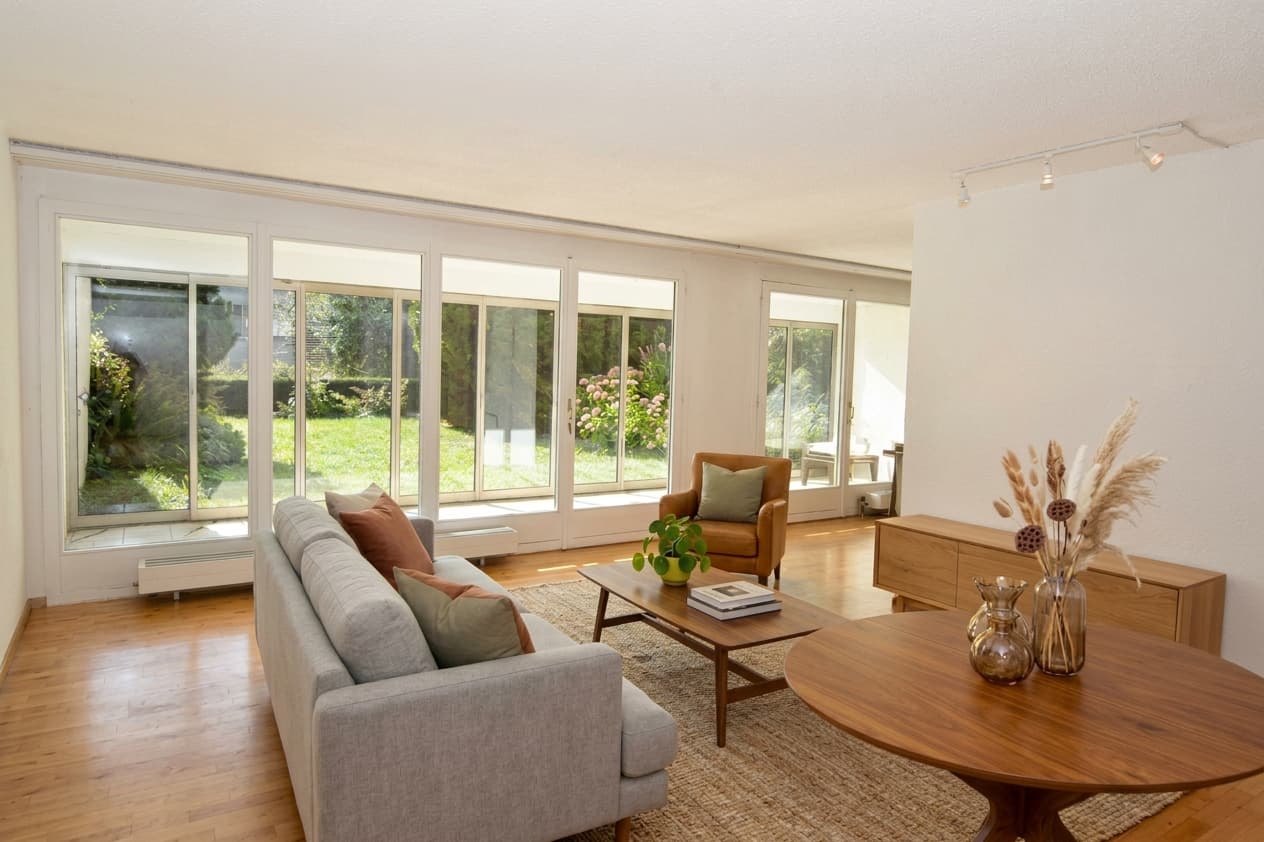
4-5 Zimmerwohnung Cham
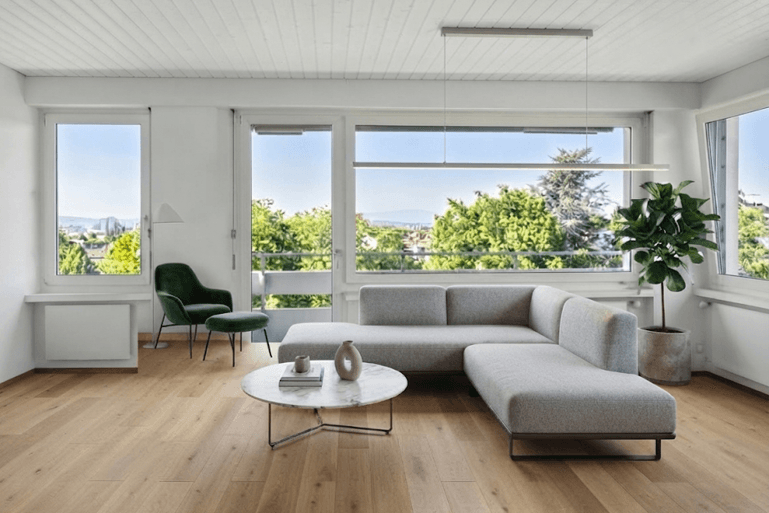
4-5 Zimmerwohnung in Baar
TOP AUSGESTATTET IN ZENTRALER LAGE
No credit card • No spam • Cancel anytime
